
Lund, Sweden
Drug discovery and delivery services in alternative living models
We have developed a unique nanotechnology for drug delivery, built on a patent-pending method of drug transfer that raises how much of a dose reaches its target. Drugs carried by our nanoparticles are tested in our own models: human organoids, zebrafish and the snail nervous system.
We also test compounds in the traditional way, without our nanotechnology, in the same models. Every study follows GLP-grade procedures, giving reproducible data at a fraction of the usual cost.
Services with high reproducibility
Vivarium Nanoscience is based in Lund, Sweden. We test drug candidates in alternative living biological systems under documented, GLP-standard procedures, either as supplied or delivered by our own nanoparticles.
Our approach reduces overall development costs and gives early warning of problems with lead drug candidates, by screening them in a set of organoid and non-mammalian models.
Disease areas we target:
- Oncology
- Cardiovascular, Renal & Metabolism
- Infectious Disease
- Respiratory & Immunology
- Addiction
Vivarium Nanoscience
Lund, Sweden. Study design and direction, nanoparticle design and synthesis.
GNACODE Inc.
Canada. Supplies the instrumentation, automation and data systems that make our protocols reproducible.
Gnacode Products Co., Ltd.
Operates the zebrafish and snail facilities in which our in vivo studies are run.
A new way to move a drug into the cell
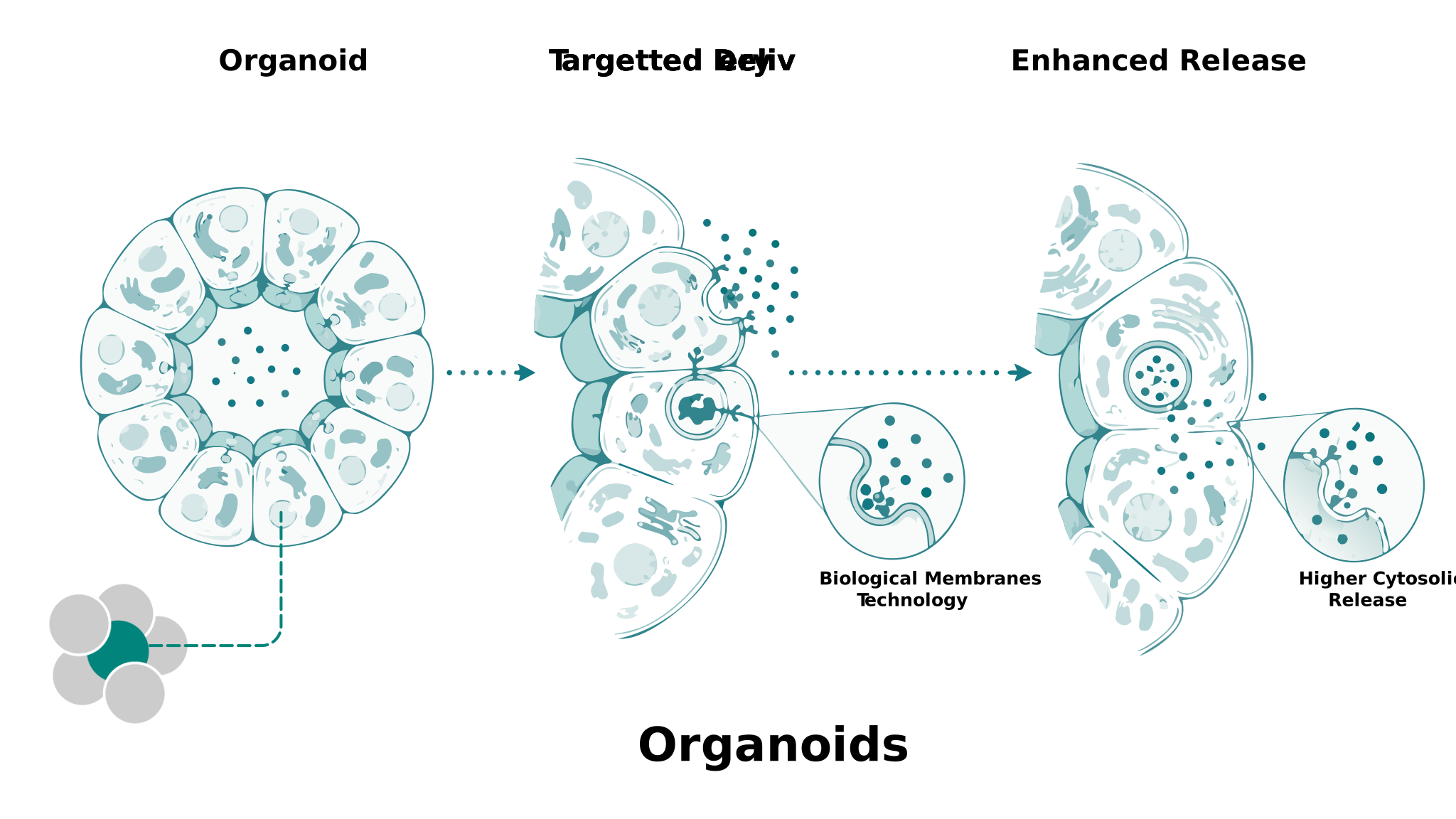
Our nanoparticles carry their payload using a patent-pending method of drug transfer that increases effective delivery to the target tissue.
Current delivery systems perform poorly: only a small percentage of a dose reaches the target cells in active form. Our novel, patent-pending technology increases the active dose delivered to the target cells.
Tell us about your compound and your development goals, and we will propose a delivery and testing programme tailored to your needs. Start the conversation.
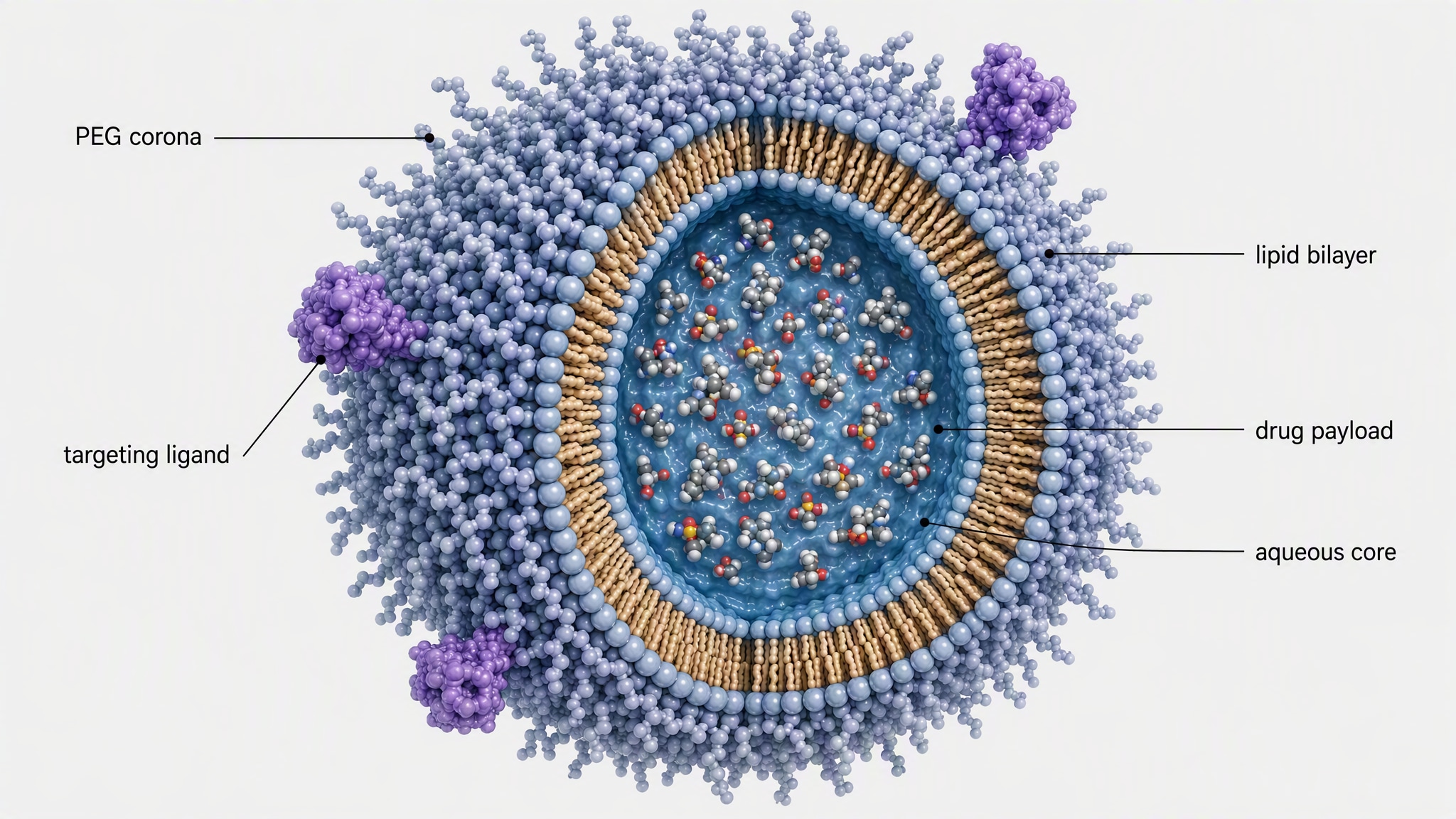
Nanoparticle synthesis
Particles are made in-house, in small controlled batches, so that what we test is exactly what we characterised.
-
Formulation design
The drug, the carrier material and the target tissue define the formulation. Each combination is specified before any material is made.
-
Controlled synthesis
Particles are produced under automated, logged conditions so that every batch can be traced back to its parameters.
-
Characterisation
Size, dispersity, drug loading and stability are measured on every batch and recorded against defined acceptance limits.
-
Release for testing
Only batches within specification move on to living systems, with their full record attached to the study.
Test campaigns
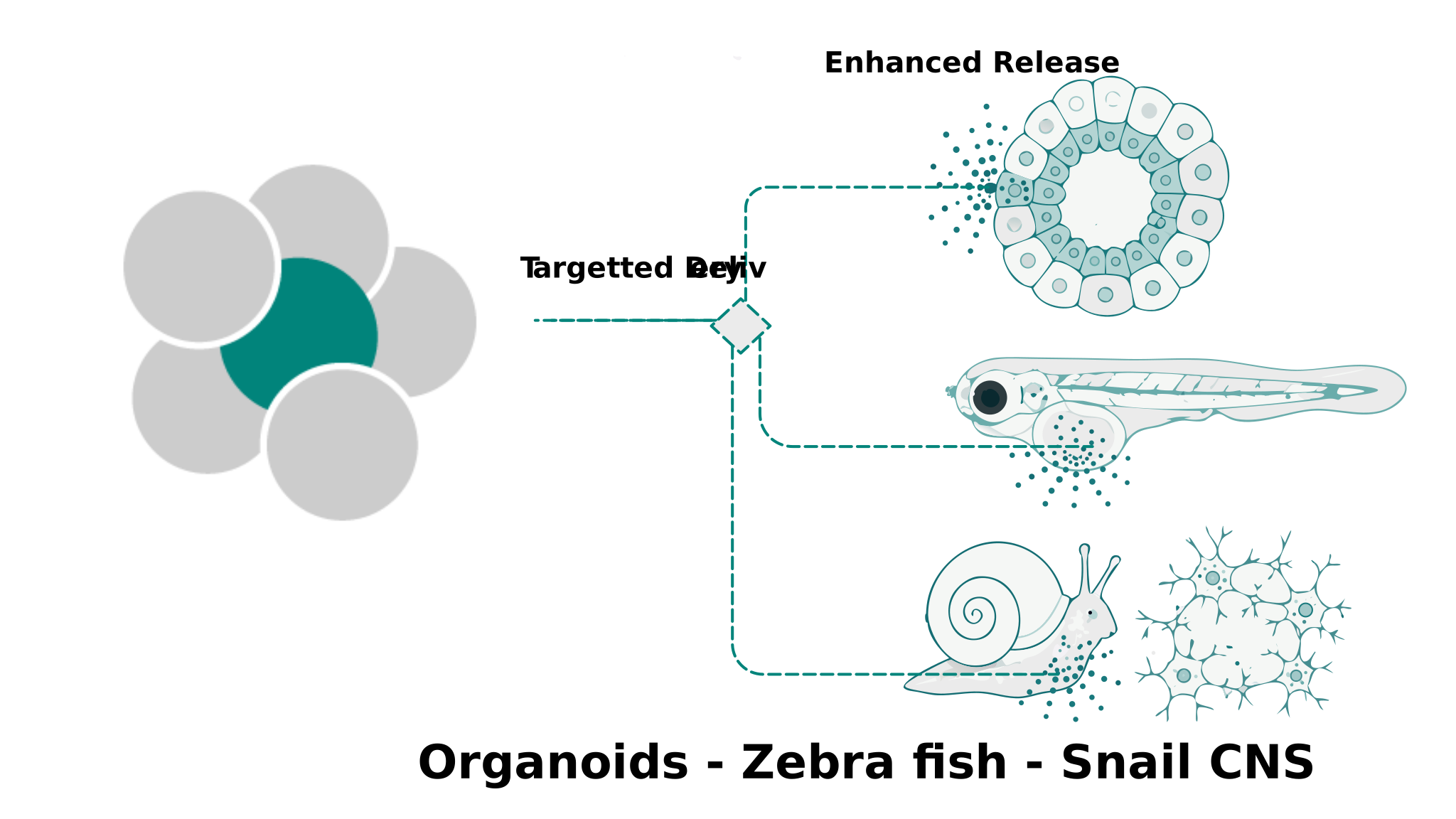
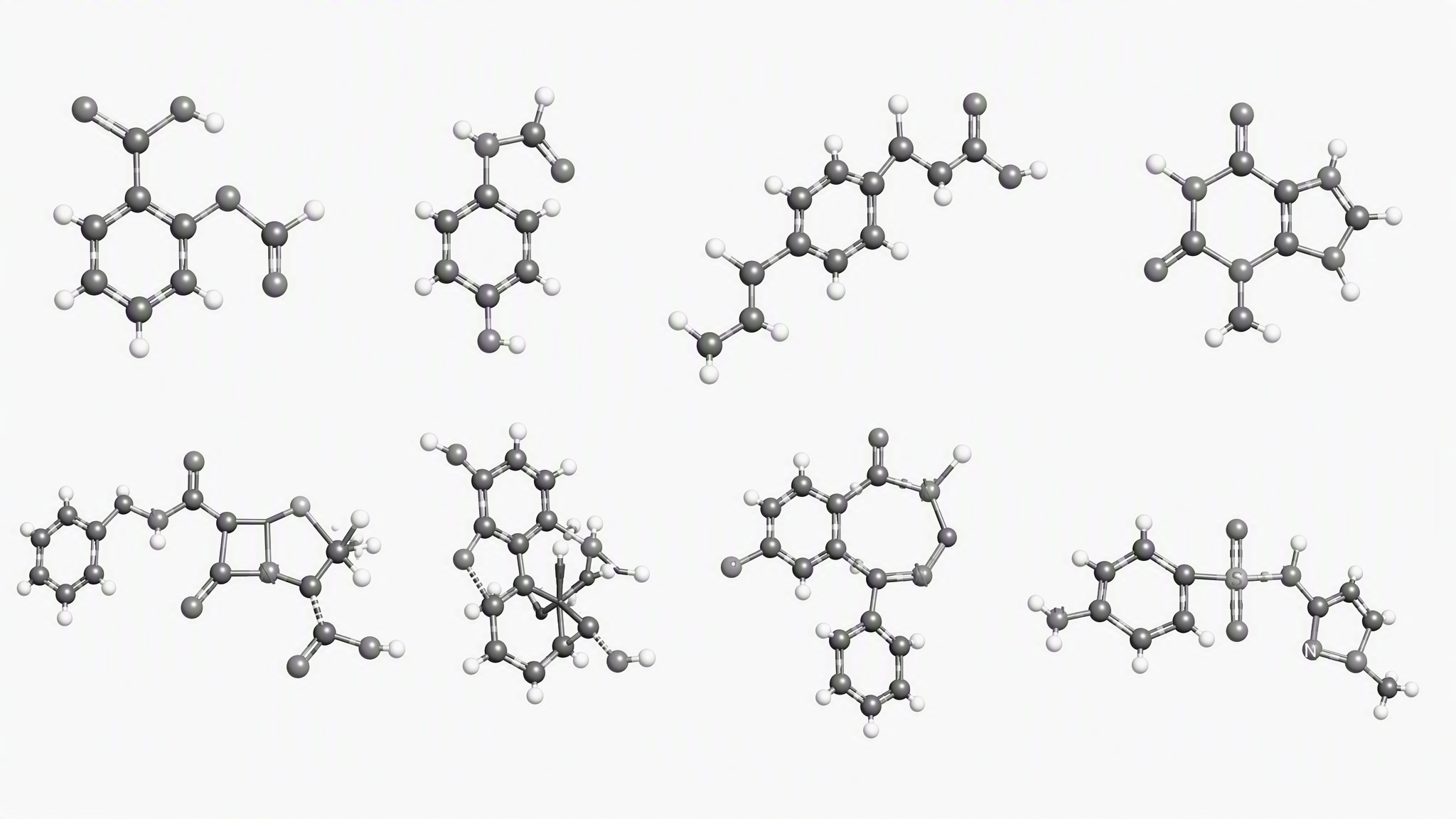
We run test campaigns for pharmaceutical and biotech partners in three living models: human organoids, zebrafish and the snail nervous system. Compounds can be tested in their native form, or delivered by our patent-pending nanoparticle system.
Used as a primary screen, our models reveal unwanted side effects early, before costly mammalian studies: toxicity in human tissue, developmental and cardiac effects in a whole organism, and changes in nervous system function. The same models also show whether a compound reaches its target and acts as intended. A campaign can use a single model or all three in sequence, and every study follows the same documented, GLP-grade protocol.
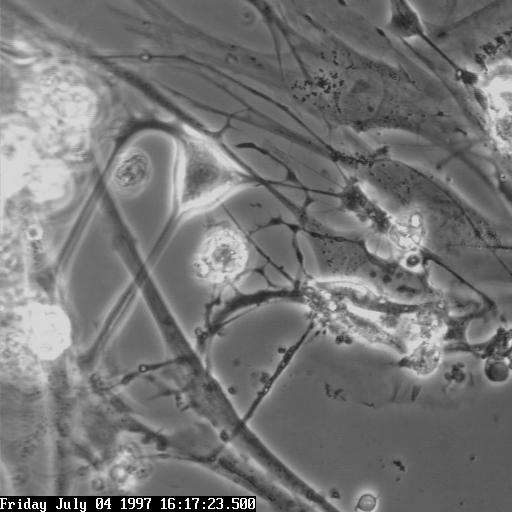
Organoids
Human-derived organoids give an early look at how a compound acts on human tissue: whether it reaches and enters the target cells, and whether it does what it should once inside.
- Uptake and distribution within the tissue
- Drug effect compared with controls and reference compounds
- Early toxicity and tolerability
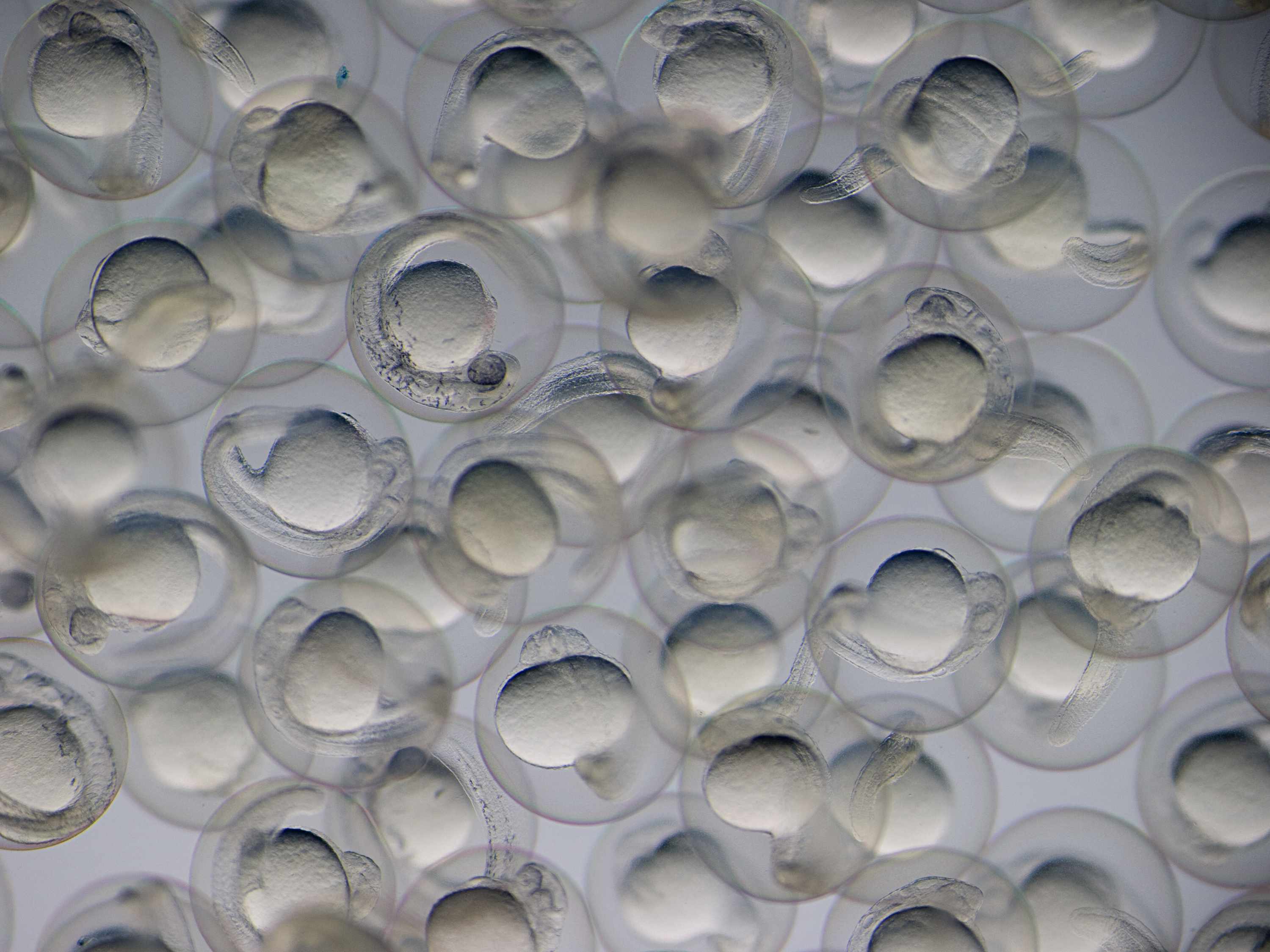
Zebrafish development
Zebrafish are transparent during development, which lets us follow a compound or carrier through a whole living organism. Development itself is a sensitive readout for safety.
- Whole-organism distribution and clearance
- Developmental toxicity across defined stages
- Cardiovascular and behavioural readouts
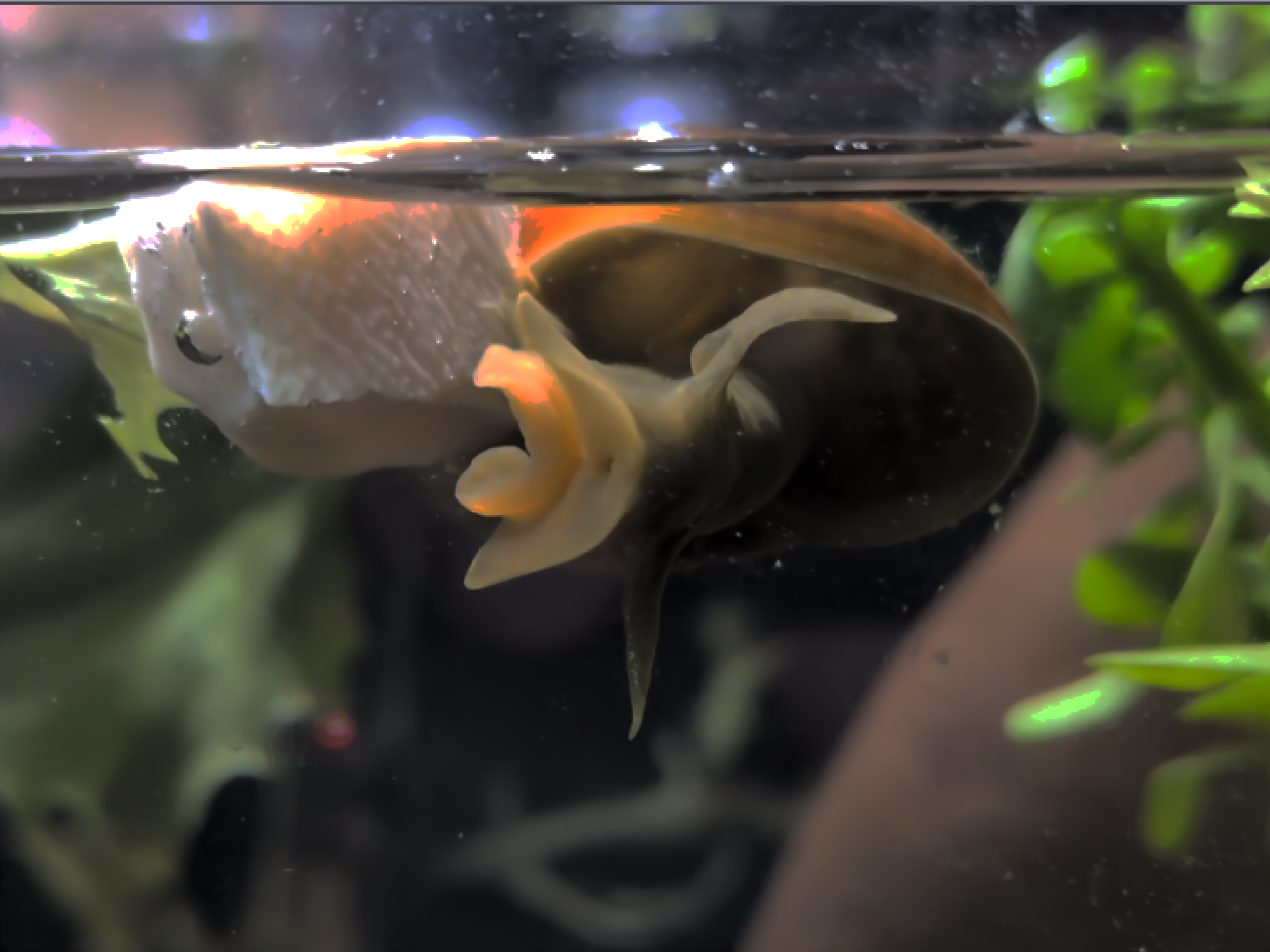
Snail central nervous system
The snail nervous system has large, identifiable neurons and well-described circuits for learning and memory. It lets us measure directly how a compound changes neuronal function, giving an early read on central nervous system effects of any drug candidate.
- Penetration into nervous tissue
- Direct electrophysiological effect on identified neurons
- Behavioural and memory-related endpoints
Team
Vivarium Nanoscience is headed by Lars Thomsen and a team of senior pharmaceutical scientists with decades of experience in animal models.
The team combines drug-delivery science, model-organism biology and the engineering needed to make a protocol run the same way every time.
Contact
For partnerships, study enquiries or the technology under agreement, write to us.